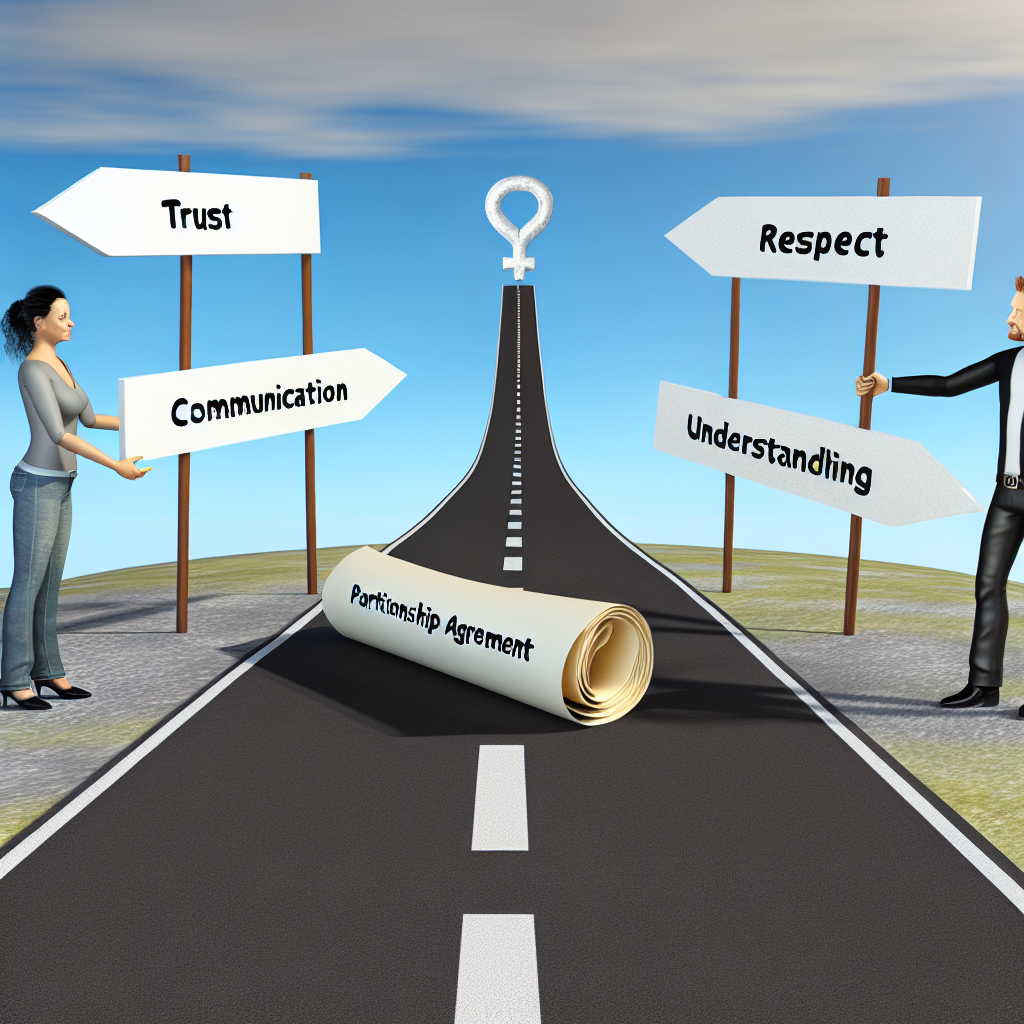
The Partnership Agreement – A Coach’s Guide to Co-Creating the “Rules of the Road” for Your Relationship
Introduction
Every successful relationship—whether a casual romance, long-term commitment, or marriage—rests on a solid foundation of mutual understanding. Despite this, many couples enter love without ever articulating the “rules of the road.” Like merging onto a highway, navigating a relationship without agreed-upon expectations can lead to conflict, disconnection, and confusion.
A Partnership Agreement is a modern, collaborative relationship tool that allows couples to co-create shared values, expectations, and boundaries. It is not a legal contract or prenuptial agreement but a proactive, conversational guide that promotes emotional security, intentionality, and trust in any romantic relationship.
Think of it as building a roadmap for your love life—a working document that helps both parties discuss topics like exclusivity, finances, intimacy, life goals, conflict resolution, and screen time use with openness and clarity. Especially for singles and couples navigating today’s evolving dating culture influenced by technology, shifting societal norms, and self-growth trends, having such intentional discussions is vital.
Today, singles from every age group—from teens and twenty-somethings navigating modern hookup culture to boomers re-entering the relationship scene—are seeking more emotionally intelligent and meaningful connections. A well-crafted Partnership Agreement is a powerful tool to guide couples in designing lasting, fulfilling, and authentic relationships.
This guide explores the underlying philosophy of partnership agreements, shares science-based research from leading psychologists and therapists, and provides an actionable framework for couples dedicated to creating conscious relationships grounded in mutual respect and communication.
Science-Backed Insights Into Relationship Agreements
Research from The Gottman Institute, founded by renowned psychologist Dr. John Gottman, reveals that successful couples prioritize emotional intelligence and regularly discuss and align expectations. The institute’s famous “Love Lab” studies highlighted how couples who proactively address areas such as values, needs, finances, and intimacy experience higher relationship satisfaction and reduced conflict.
According to Dr. Stan Tatkin, author of Wired for Love, relationships function like a “third entity”—an ecosystem needing care and protection. A well-communicated agreement works like a shared vow, defining actions that strengthen the relationship while identifying behaviors that can cause damage. This helps both partners become conscious stewards of their love.
Another foundational psychological concept is behavioral contracting, which has proven effective in maintaining commitments. First popularized in therapy, this strategy is now used within relationship coaching to formalize responsibilities in daily life—such as emotional labor, shared chores, or parenting duties—thereby improving accountability and decreasing misunderstandings.
It’s also worth considering insights from collaborative decision-making research featured in the journal Couple and Family Psychology: Research and Practice. When couples co-create their relationship structure together, they build dynamic, adaptive frameworks that evolve over time, leading to longer-lasting harmony and resilience through change.
Further support comes from the model of Emotionally Focused Therapy (EFT), created by Dr. Sue Johnson. According to EFT, secure relationships are grounded in responsiveness, clarity, and mutual attunement—exactly the qualities developed through partnership agreements.
The American Psychological Association also recommends premarital or early relationship counseling that emphasizes clarifying individual values and lifestyle compatibility at the outset. Experts agree: setting a shared vision for your relationship protects couples from unmet expectations that can emerge as the relationship evolves.
Benefits of Partnership Agreements
A well-crafted Partnership Agreement empowers couples to:
– Define and align their core values
– Establish boundaries (e.g., social media use, external friendships, work-life balance)
– Create clarity around emotional and physical intimacy needs
– Set practical agreements around finances, chores, and parenting
– Enhance communication and reduce assumptions
– Adapt and evolve their agreement over time as the relationship changes
This agreement functions like a living document—something couples revisit periodically to reflect on growth, update based on life changes, or resolve recurring issues. It’s not about rigid rules but about fostering flexibility through shared awareness.
Conclusion
In today’s digital and emotionally complex dating landscape, a Partnership Agreement offers more than structure—it fosters connection. By developing shared agreements, both partners intentionally take responsibility for creating a relationship that feels safe, fulfilling, and deeply respectful.
Whether you’re a single Gen Z adult exploring emotional depth in a new relationship or a recently divorced baby boomer seeking clarity and companionship, Partnership Agreements help shift dating from a reactive experience to a conscious journey. Love doesn’t have to be left to guesswork—it can be built with care, transparency, and mutual commitment.
Concise Summary
A Partnership Agreement is a collaborative tool designed to help couples create intentional, clear, and fulfilling relationships. Unlike legal contracts, it focuses on mutual values, communication, emotional needs, and responsibilities. Rooted in psychological research from experts like John Gottman, Stan Tatkin, and Sue Johnson, these agreements empower couples of all ages to co-create “rules of the road” that reduce conflict and increase relationship satisfaction. Whether you’re dating or in a long-term partnership, this customizable framework helps partners design love with clarity, emotional security, and flexibility as they grow together.
References
1. The Gottman Institute – Research on Relationship Success
2. Tatkin, Stan. Wired for Love
3. Johnson, Sue. Emotionally Focused Therapy (EFT)
4. Behavioral Contracting in Therapy
5. Collaborative Decision-Making in Romantic Relationships – APA
6. American Psychological Association — Healthy Relationship Guide

Dominic E. is a passionate filmmaker navigating the exciting intersection of art and science. By day, he delves into the complexities of the human body as a full-time medical writer, meticulously translating intricate medical concepts into accessible and engaging narratives. By night, he explores the boundless realm of cinematic storytelling, crafting narratives that evoke emotion and challenge perspectives. Film Student and Full-time Medical Writer for ContentVendor.com