###
Rethinking Love: The Ecosystem of Long-Term Partnerships Beyond Traditional Boundaries
####
Introduction
In an era where societal norms are continuously evolving, the perception of love and relationships is undergoing a significant transformation. The concept of long-term partnerships is expanding beyond traditional constructs held for centuries. This evolution is fueled by shifting perspectives around marriage, cohabitation, and the fundamental components of human connection. By examining this intricate ecosystem, we find that love thrives beyond conventional boundaries.
Today’s singles, from ages 18 to 80, are redefining what love and partnership mean. They are challenging the traditional narrative centered on heterosexual monogamy leading to marriage, children, and a shared lifelong journey. Modern partnerships now reflect personal values, lifestyle choices, and a commitment to emotional growth.
Many individuals choose cohabitation without marriage, enter open relationships, or embrace polyamory. These arrangements are not only accepted but are becoming commonplace in a society that values personal freedom and authentic self-expression. This flexibility allows individuals to engage in meaningful connections without societal pressure, fostering a diverse ecosystem of love.
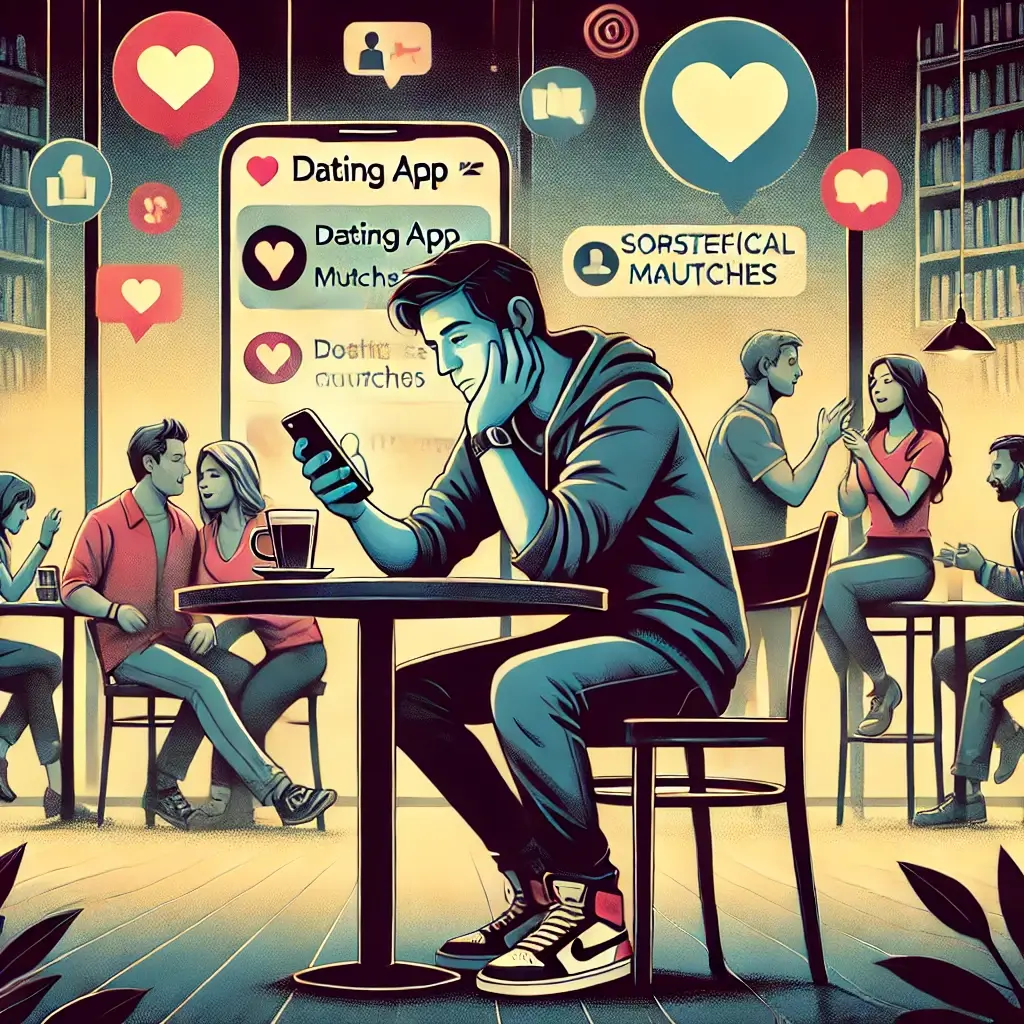
Technology significantly impacts this dynamic shift. Online dating platforms and social media offer numerous opportunities to connect globally with like-minded individuals. The result is a vibrant, inclusive dating culture where traditional age, gender, and cultural barriers are increasingly irrelevant.
Exploring this ecosystem of long-term partnerships beyond traditional boundaries requires considering psychological, social, and cultural factors influencing modern love. Drawing insights from various studies and expert analyses, we explore how singles navigate and redefine relationships in the 21st century.
####
Features
Research in relationship psychology provides valuable insights into this evolving ecosystem. Studies underscore the impact of emotional intelligence and communication on successful long-term partnerships. According to a [study](https://journals.sagepub.com/home/spr) published in the Journal of Social and Personal Relationships, couples developing emotional intelligence exhibit higher levels of empathy, understanding, and conflict resolution skills, critical components in sustaining healthy relationships.
Moreover, flexibility in modern partnerships allows for personalized configurations catering to individual needs. A landmark study from the [Kinsey Institute](https://kinseyinstitute.org/) highlights how varying relationship styles, such as consensual non-monogamy, offer partners opportunities for personal growth and greater intimacy. Participants in non-monogamous relationships reported higher levels of trust and satisfaction compared to monogamous counterparts.
Furthermore, the demographic landscape of singles is shifting. The [Pew Research Center](https://www.pewresearch.org/) indicates more singles in their 50s, 60s, and beyond are exploring new relationships post-divorce or after losing a spouse. This group values companionship and emotional support, prioritizing connection over traditional marriage structures.
From a sociocultural perspective, millennials and Gen Z prioritize partnerships emphasizing equality and mutual respect. This paradigm shift aligns with broader social movements challenging traditional gender roles and advocating inclusivity and diversity. The demand for relationships honoring individual autonomy and shared decision-making underscores a broader trend toward equitable partnerships.
Equally important is the role of digital technology in facilitating connections. Research by the [Pew Research Center](https://www.pewresearch.org/) reveals that 30% of U.S. adults have used online dating, with many forming meaningful, long-term relationships through these platforms. This digital facilitation allows for a broad exploration of potential partners, accommodating diverse relationship preferences and enabling connections transcending geographical limitations.
####
Conclusion
As the landscape of love continues evolving, long-term partnerships increasingly reflect personal aspirations and social progress. By embracing an ecosystem of relationships beyond traditional boundaries, singles from all life stages discover fulfilling connections rooted in authenticity, equality, and mutual respect. This reimagined approach fosters an inclusive narrative where love is not confined to preset definitions but flourishes in a continuously expanding realm of possibilities. As society progresses, so will our understanding and experience of love in all its forms.
—
Concise Summary:
The perception of love and relationships is evolving, reflecting personal values, lifestyle choices, and emotional growth. Singles today redefine partnerships beyond traditional constructs, embracing diverse arrangements like cohabitation, open relationships, and polyamory. Technology expands these dynamics, facilitating connections globally. Emotional intelligence, communication, and sociocultural changes, such as millennials valuing equality, play significant roles. Research from the Journal of Social and Personal Relationships, Kinsey Institute, and Pew Research Center highlights these shifts. Ultimately, modern love thrives in a diverse ecosystem, fostering fulfilling, inclusive connections that transcend traditional boundaries.