The Art of Exit: Creating a Strategic Off-Ramp from Wrong Relationships
Navigating the world of dating can be exhilarating, from the initial sparks of chemistry to the shared experiences that bond two people together. However, not every relationship is destined to become a fulfilling, long-term partnership. At times, individuals find themselves in relationships that are no longer suitable for their personal growth and happiness. Recognizing when to leave such a relationship is crucial, but what’s even more important is doing so in a manner that minimizes emotional turmoil for both parties involved. This is where mastering ”The Art of Exit” becomes valuable.
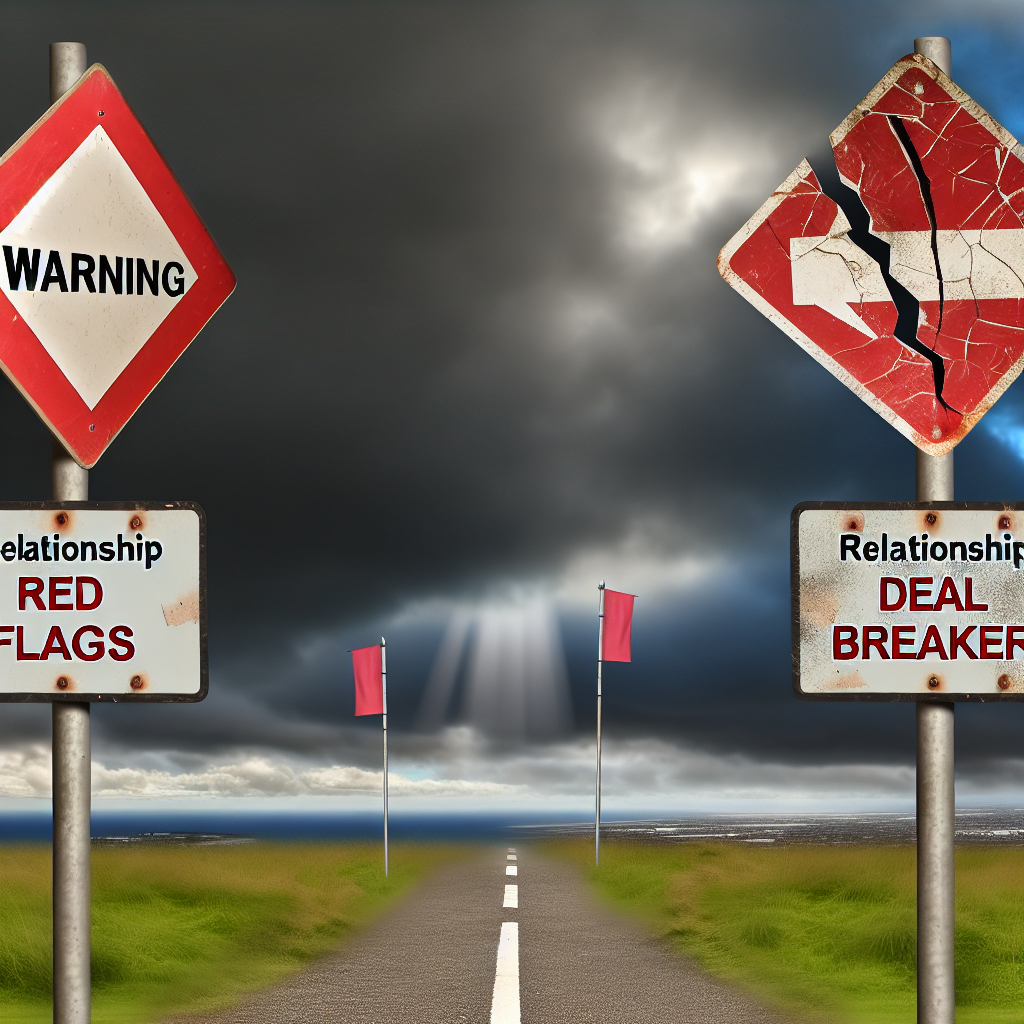
Leaving a wrong relationship is not merely about the act of breaking up; it’s about creating a thoughtful and strategic off-ramp that respects both individuals. The first step is gaining clarity on why the relationship isn’t working. This involves introspection and an honest assessment of what you need from a partnership. Are your core values misaligned? Are there irreparable communication issues? Or perhaps the spark has simply fizzled out. Understanding and accepting these realities is critical because it lays the foundation for a compassionate and clear exit strategy.
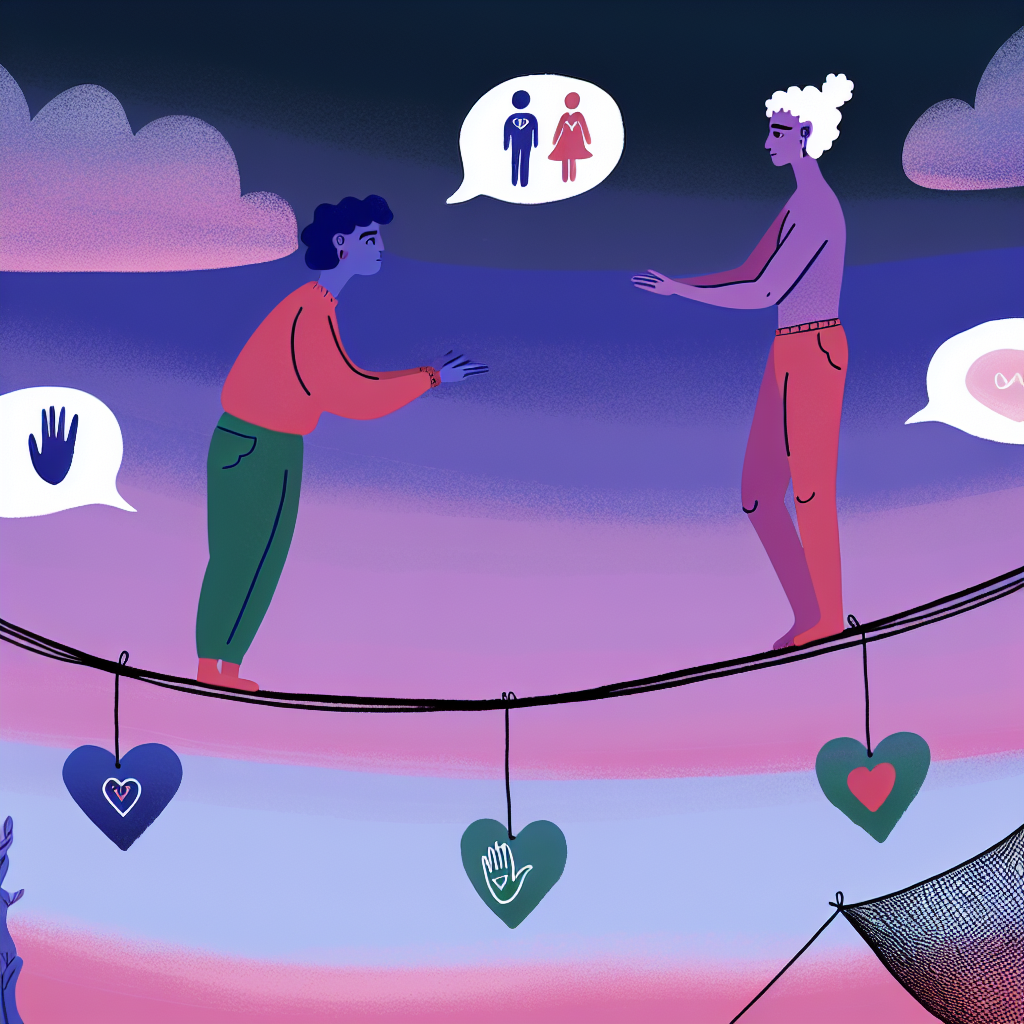
Next, it’s vital to approach the breakup conversation with empathy and tact. Effective communication can often prevent unnecessary heartache. Refrain from pointing fingers; instead, focus on “I” statements such as “I feel” or “I need.” This helps convey your perspective without making the other person feel attacked. Timing matters too; choose a moment when both of you are calm and have the time to talk without distractions.
Creating an amicable exit plan also involves setting boundaries and managing logistics, especially if you’ve had significant ties like shared finances or living arrangements. This step is not just about the current breakup but sets the tone for how you handle post-relationship interactions. Acknowledging the good moments and lessons learned can offer closure, making it easier for both parties to transition into the next chapter of their lives.
Professional and Medical Insights
The psychological impact of relationships, both positive and negative, has been well-documented in numerous studies. According to a study published in the journal [“Personality and Social Psychology Bulletin”](https://journals.sagepub.com/doi/full/10.1177/0146167214525479), maintaining unhealthy relationships can lead to increased stress and decreased overall life satisfaction (Finkel et al., 2014). This underscores the importance of recognizing when to leave a detrimental relationship.
Moreover, the concept of ”attachment theory”, first developed by John Bowlby and later expanded by Mary Ainsworth, provides insights into why some people may find it more challenging to exit a relationship, even when it’s not beneficial. Individuals with insecure attachment styles, such as anxious or avoidant attachments, might struggle more with ending relationships due to fears of loneliness or rejection ([Fraley & Shaver, 2000](http://www.psycnet.apa.org/doi/10.1037/1089-2680.4.2.132)).
Neuroscience also plays a role, as emotional attachment and love involve hormonal changes in the brain, including the release of oxytocin and dopamine. This biochemical bonding can make the thought of leaving a relationship daunting. However, recognizing that these feelings are part of a natural process can empower individuals to make informed decisions rather than sticking it out for the wrong reasons ([Fisher, 1998](https://link.springer.com/article/10.1007/BF02734089)).
Professionals like therapists often recommend ”relationship audits” to help people assess the strengths and weaknesses of their partnerships. According to the American Psychological Association, this self-assessment can guide individuals in making objective decisions about their relationships by weighing the pros and cons, thus fostering better mental health outcomes in the long term.
Conclusion
Exiting a wrong relationship is an art form, one that requires self-awareness, empathy, and strategic planning. It’s essential to recognize that leaving is not a failure but a step towards prioritizing your well-being and future happiness. By approaching the situation thoughtfully, you create space for both parties to heal and grow, ultimately paving the way for healthier relationships in the future.
Concise Summary
Exiting an unsuitable relationship thoughtfully reduces emotional turmoil and fosters personal growth. This process involves self-awareness, identifying misalignments, and crafting a compassionate exit strategy. Effective communication using “I” statements, proper timing, and addressing logistics like shared finances are crucial. Understanding attachment theories, emotional bonds like oxytocin’s role, and using relationship audits can guide informed decisions. Leaving isn’t failure; it’s a positive step towards well-being, allowing space to heal and eventually find healthier relationships.