The Future of Love: Redefining Relationship Strategies with AI and Behavioral Science
Introduction
In today’s rapidly evolving digital age, technology is reshaping the way we perceive and pursue relationships. The landscape of love is no longer limited to traditional confines such as physical meet-cutes or blind dates set up by friends. Instead, we’re stepping into a future where Artificial Intelligence (AI) and Behavioral Science offer sophisticated tools to understand and enhance human connections. For singles ranging from youthful 18-year-olds to those wise beyond their years in their 80s, these technological advancements are not just conveniences but potential game-changers in the realm of romance.
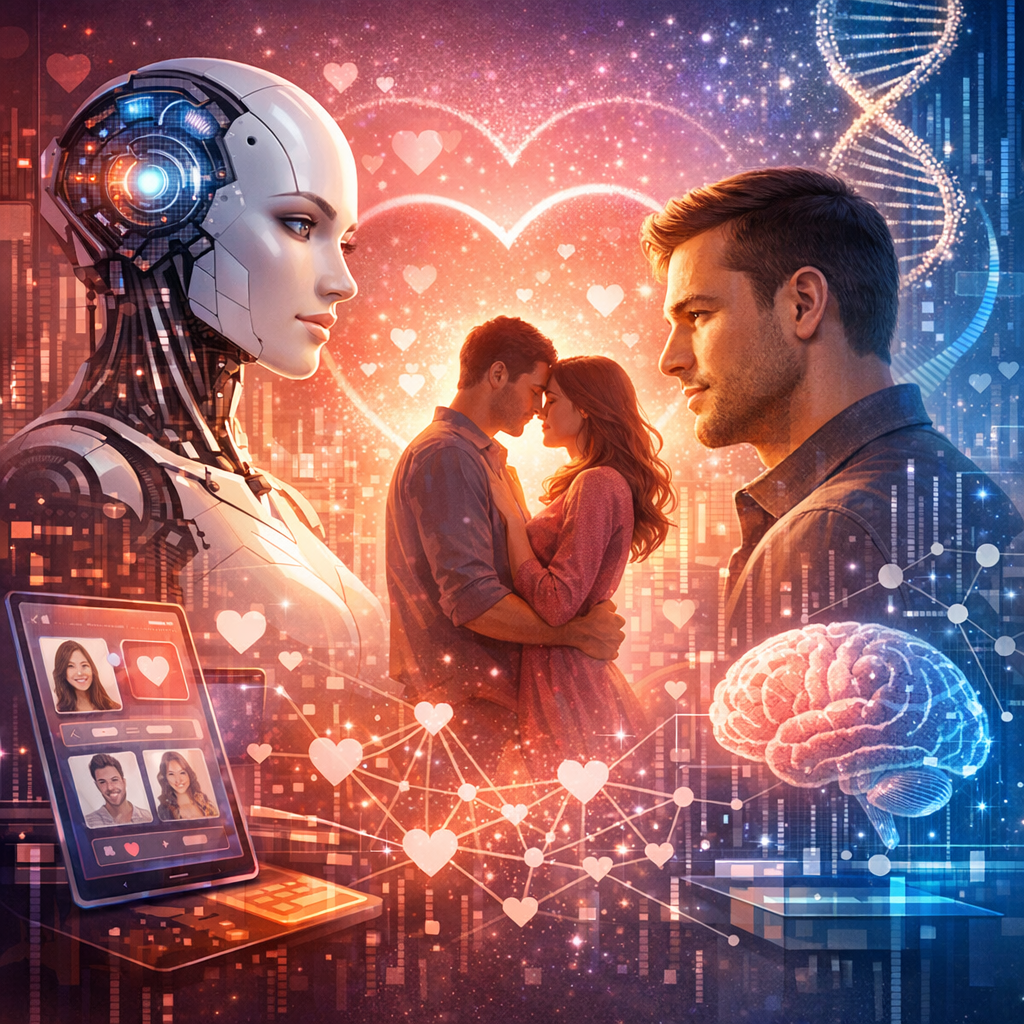
The integration of AI into the dating scene serves as an intuitive matchmaker, utilizing algorithms and data analytics to understand user preferences and predict compatibility. No longer do potential couples have to rely solely on an elusive “spark” to determine compatibility. AI can sift through vast pools of personal data—ranging from interests and hobbies to communication styles and relationship goals—to bridge the gap between people, minimizing the time and emotional investment traditionally required to find a compatible partner.
Complementing this, Behavioral Science provides insights into our interpersonal dynamics and decision-making processes. By studying patterns in human behavior, psychologists and relationship experts can dissect what makes relationships succeed or fail. This understanding is pivotal for singles navigating the often-turbulent waters of dating with greater self-awareness and intentionality. Behavioral insights can guide users in identifying their relationship patterns, strengths, and areas for growth, ultimately fostering more meaningful connections.
As the lines between technology and psychology blur, a fascinating synergy emerges. This partnership not only enhances our ability to find love but also enriches the quality of our relationships. Even for those who have spent decades navigating the dating scene, these advancements offer fresh perspectives and tools, proving that love and personal growth are lifelong journeys. Through the lens of AI and Behavioral Science, we are redefining not just how we date, but how we understand love itself, embracing a future where technology and emotion coexist harmoniously.
Features
Recent studies in the fields of AI and Behavioral Science highlight the transformative potential of these technologies in reshaping relationship strategies. A notable study from Stanford University explored the efficacy of AI in predicting relationship outcomes. By analyzing communication patterns between partners, the AI model accurately forecasted relationship longevity and satisfaction, underscoring the technology’s potential to refine match-making algorithms and offer relationship advice ([source](https://news.stanford.edu/press-releases)).
In parallel, research within Behavioral Science delves into the nuances of human interaction. A publication in the Journal of Experimental Social Psychology examined how understanding implicit biases and attachment styles can improve interpersonal relationships. The study found that individuals aware of their behavioral tendencies were more adept at navigating conflicts and fostering deeper connections with their partners ([source](https://www.journals.elsevier.com/journal-of-experimental-social-psychology)).
Moreover, AI’s capacity for data analysis is being harnessed to develop personalized relationship tools. For instance, apps utilizing machine learning algorithms can analyze past relationship trends to offer users tailored advice and dating strategies, significantly enhancing the efficacy of modern match-making efforts.
Interestingly, these advances are not limited to romantic pursuits. Social platforms powered by AI are now able to suggest meaningful platonic relationships by analyzing user behavior and preferences. This expansion of possibilities demonstrates that the potential applications of AI and Behavioral Science extend far beyond romance, impacting various facets of our social lives.
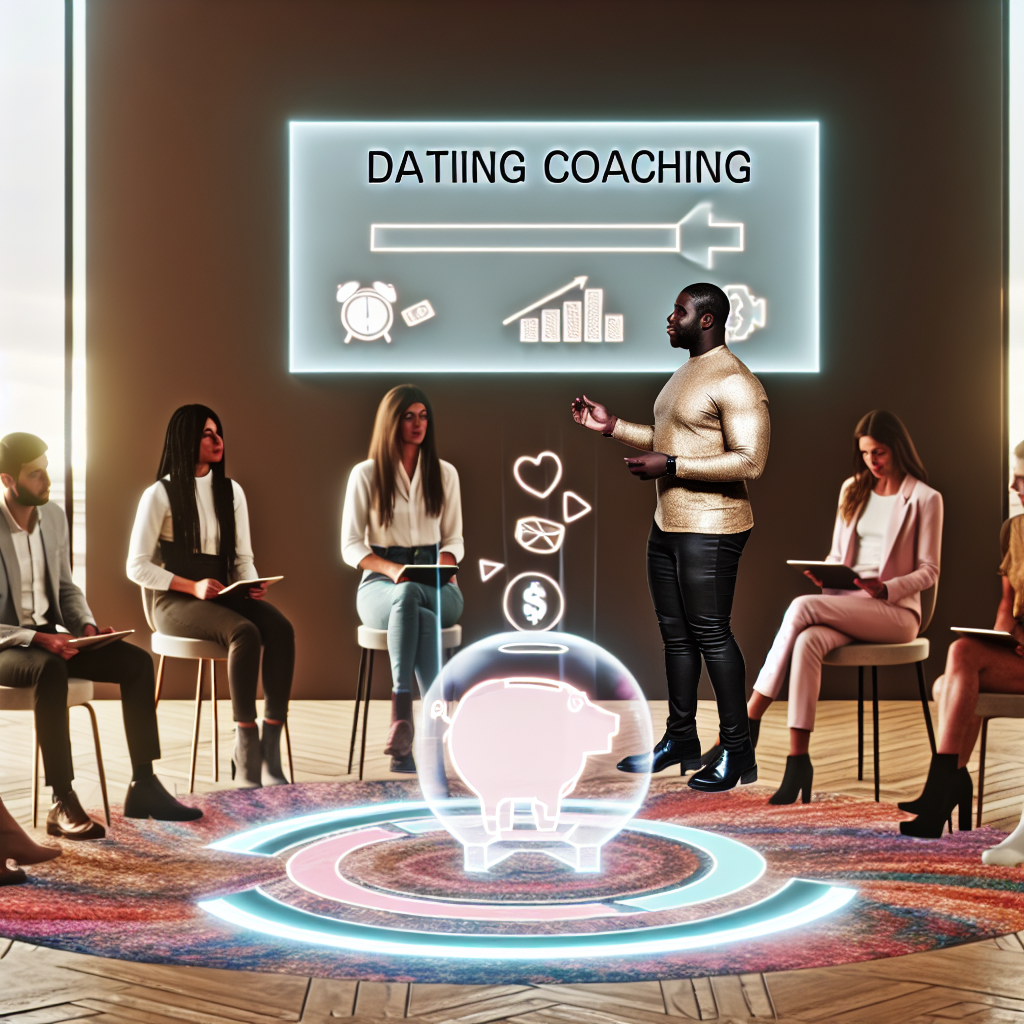
The medical community is also acknowledging these developments. Psychologists are increasingly advocating for the integration of AI tools in therapeutic settings, offering clients data-driven insights into their relationship habits. This collaborative effort is elevating the standards of relationship counseling, providing concrete, actionable feedback to individuals and couples alike.
Conclusion
As AI and Behavioral Science continue to advance, they offer unprecedented opportunities to understand and enhance the foundational principles of human relationships. For singles everywhere, embracing these technologies means embarking on a journey of discovery where love is increasingly informed by data and psychological insight. As we stand at the forefront of this digital revolution, the message is clear: the future of love is a dynamic blend of human intuition and technological wisdom, promising to redefine how we connect with others in profound and meaningful ways.
Concise Summary
In today’s digital age, technology, particularly AI and Behavioral Science, is transforming relationships by providing powerful tools to understand and enhance human connections. AI serves as an intuitive matchmaker, utilizing algorithms to predict compatibility, while Behavioral Science offers insights into interpersonal dynamics. These advancements enable individuals to navigate dating with greater self-awareness, enhancing the quality of relationships. Recent studies underscore AI’s potential in predicting relationship outcomes and behavioral insights improving interpersonal connections. The ongoing synergy between technology and psychology heralds a future where human intuition and technological prowess redefine love and interpersonal connections.