“`html
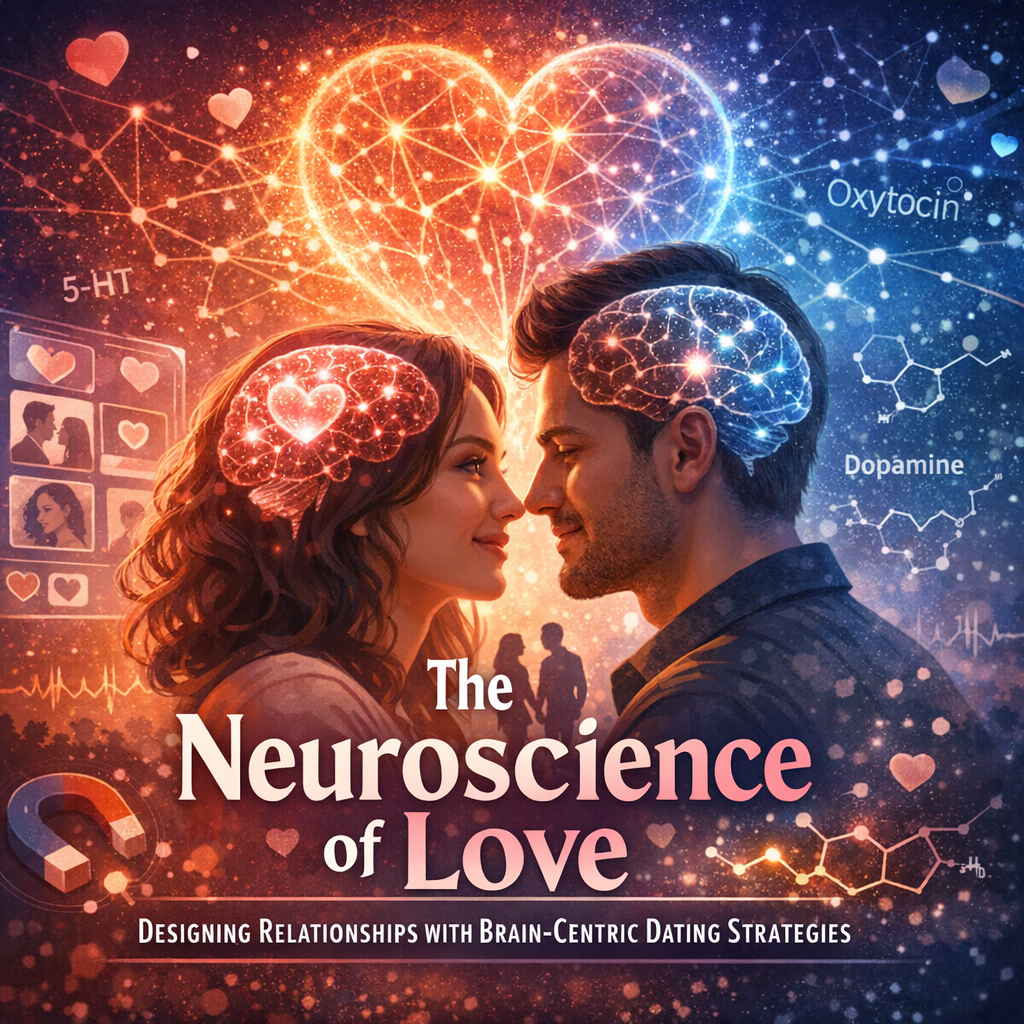
The Neuroscience of Love: Designing Relationships with Brain-Centric Dating Strategies
Introduction
Love is a complex and multifaceted emotion, driven not just by the heart but deeply rooted in the intricate workings of the human *brain*. As we navigate the *world of dating*, understanding the neuroscience behind love can empower singles from all walks of life, ages 18 to 80, to foster more meaningful and fulfilling relationships. This cutting-edge perspective, which we’ll refer to as “brain-centric dating,” leverages scientific insights to enhance how we connect with one another.
At its core, the science of love explores how neurotransmitters and hormonal interactions impact our feelings, behaviors, and attractions. When we fall in love, the brain releases a cocktail of chemicals such as dopamine, oxytocin, serotonin, and vasopressin, which play pivotal roles in attachment, excitement, and bonding. While dopamine generates feelings of pleasure and reward during romantic encounters, oxytocin, often dubbed the “love hormone,” enhances feelings of intimacy and trust. These neurological events form the foundation of what we perceive as love and affection, driving us to seek companionship and avoid loneliness.
The concept of brain-centric dating is about aligning our understanding of these neurochemical processes with practical *dating strategies*. For instance, being aware of the effects of pheromones and body language can help individuals enhance their *attractiveness* and communication skills. By recognizing the neurological reactions to love and affection, daters can optimize their *profiles* and behaviors to attract more compatible partners.
Moreover, the idea extends to understanding how stress and anxiety can influence *dating experiences*. High stress levels elevate cortisol, which can hinder our ability to connect authentically with others. By integrating mindfulness and stress-reduction techniques, singles can effectively prepare their *brains* for healthier and more connected relationships.
In a world where digital interactions are ever-present, knowing the neuroscience of love offers singles an advantage in crafting their dating approaches. By incorporating this knowledge, dating becomes less of a hit-and-miss endeavor and more of a precise and informed journey to finding love.
Features
A wealth of professional and medical studies underscores the importance of neuroscience in understanding and fostering *romantic connections*. A prominent study published in the journal *Nature Reviews Neuroscience* examines the role of dopamine in romantic attachment and feelings of euphoria associated with love. [Read more here](https://www.nature.com/articles/nrn.2013.192).
Research conducted at Rutgers University by Dr. Helen Fisher sheds light on the three primary brain systems associated with love: the sex drive, romantic love, and attachment. Her studies reveal that these systems are deeply rooted in the brain’s reward circuitry, responsible for the passionate and sometimes irrational behavior love inspires. [Explore Dr. Fisher’s findings here](https://anthropology.rutgers.edu/people/faculty/58-helen-fisher).
Additionally, a study from Loyola University Health System highlights how oxytocin and vasopressin contribute to long-term relationship bonding. According to researcher Dr. Theresa E. DiDonato, these hormones help facilitate emotional and physical closeness between partners, reinforcing the bonds necessary for lasting relationships. [See Dr. DiDonato’s work here](https://www.loyolamedicine.org/research/).
Furthermore, the application of neuroscience is not just about understanding love but also optimizing online dating experiences. With advancements in neuro-marketing and AI technology, dating platforms are increasingly leveraging psychological and biological insights to refine matchmaking services. For example, AI algorithms can analyze user behaviors and preferences to suggest highly compatible matches. This combination of technology and neuroscience is revolutionizing how singles create *profiles*, interact, and ultimately find success in the digital *dating arena*.
Ultimately, recognizing how our brains work when it comes to love and relationships allows for more intentional and informed dating experiences. It encourages singles to seek connections that are deeply rooted not only in physical or emotive attraction but in comprehensive neurological compatibility as well.
Conclusion
By embracing a brain-centric approach to dating, singles can navigate the complex world of relationships with strategic insight and scientific understanding. The neuroscience of love is not just a fascinating study but a powerful tool that can transform how we form and sustain *romantic connections*. For those ready to explore this innovative path to love, the benefits are clear: deeper intimacy, stronger bonds, and lasting fulfillment. With a bit of brain knowledge, the journey to finding love becomes not only insightful but truly transformative.
Concise Summary
Understanding the neuroscience behind love provides a strategic advantage for singles to enhance their dating experiences. By recognizing the role of neurotransmitters like dopamine and oxytocin, and understanding how stress hormones like cortisol can impact dating, individuals can engage more deeply and authentically with others. Furthermore, leveraging neuro-marketing and AI technology can optimize online dating experiences by providing more compatible matches. Embracing a brain-centric approach fosters deeper intimacy, stronger bonds, and lasting fulfillment in relationships, transforming the complex journey of finding love into a more precise and enlightening adventure.
“`