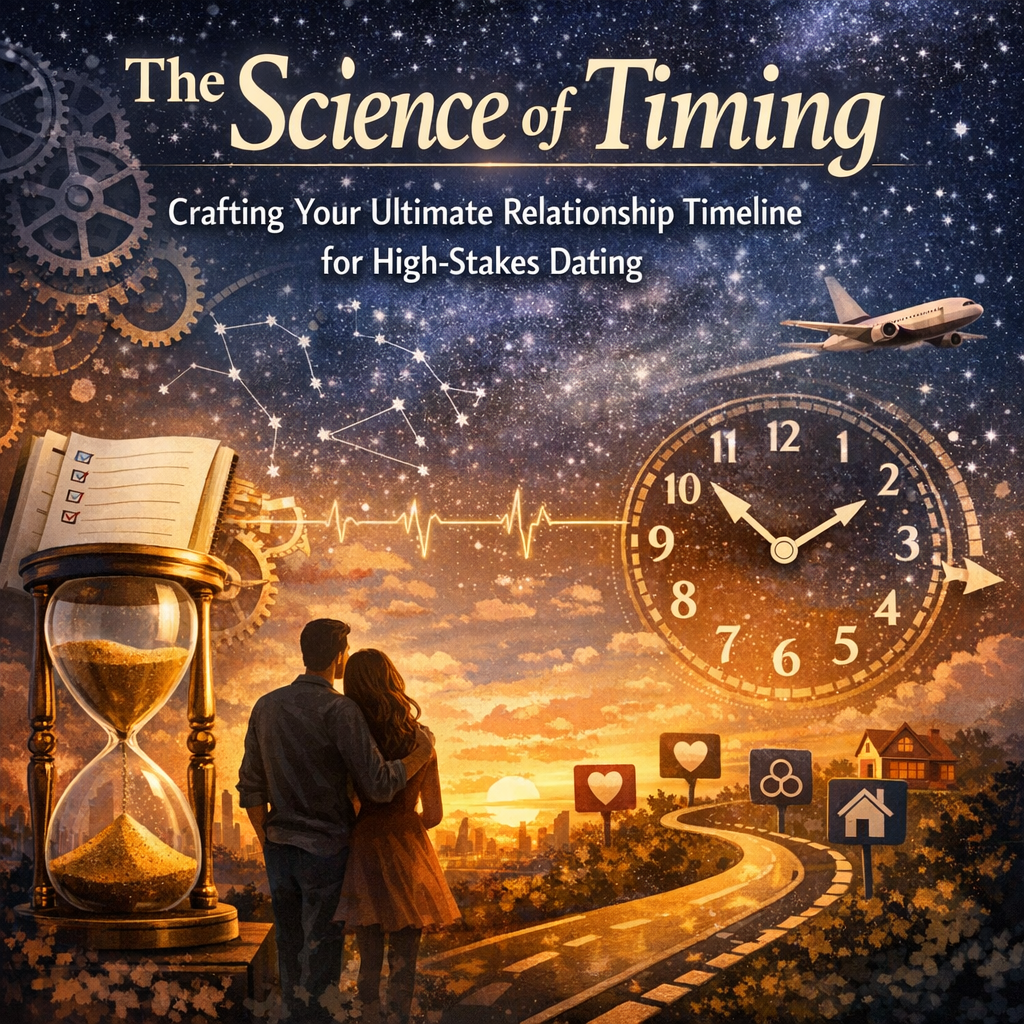
The Science of Timing: Crafting Your Ultimate Relationship Timeline for High-Stakes Dating
In the realm of modern romance, the importance of timing cannot be overstated. High-stakes dating—where the end goal often leans towards long-term commitment—requires a meticulous approach that balances emotional readiness, compatibility, and external circumstances. Singles from their 18s to 80s are navigating a complex social landscape where relationships can unfold at unprecedented speeds due to technological advancements. Yet, the essence of building a meaningful connection remains timeless, revolving around the science of timing.
Understanding the dynamics of when to move to the next phase of a relationship can be an elusive art. The fear of progressing too quickly or slowly adds to the pressure, often leaving individuals second-guessing themselves. The challenge lies in fostering a relationship that grows organically while also aligning with personal timelines and aspirations. This dance involves recognizing cues from your partner, being in tune with your emotional needs, and creating synergy between two lives. These layers must come together seamlessly to form a solid foundation for lasting love.
The phases of a romantic relationship—from the initial meetings to exclusivity, and eventually to deep commitment—can vary immensely in duration and intensity. In high-stakes dating, the stakes are inherently higher, particularly when the ultimate goal is marriage or cohabitation. Technology, societal norms, and life experiences all play pivotal roles in influencing the pace and trajectory of a relationship. For instance, a 2015 study published in the [*Journal of Social and Personal Relationships*](https://journals.sagepub.com/home/spr) suggests that the narrative we create around how relationships should progress significantly affects our satisfaction and stability in those relationships.
The key to mastering your ultimate relationship timeline involves a blend of self-awareness and strategy. Timing is not just about the “when” but also about understanding the “why” behind each phase’s duration and the “how” of transitioning between stages. Crafting this timeline necessitates analyzing what works best for you and your partner, taking into account personal goals, past relationship experiences, and mutual values.
Features:
Several studies have delved into the intricacies of relationship pacing and its impact on long-term success. Notably, research conducted by [Dr. John Gottman](https://www.gottman.com), a renowned psychologist known for his work on marital stability, suggests that couples who navigate the early phases of their relationship with deliberate pacing tend to have higher satisfaction levels. According to his studies, understanding your partner’s love map—their values, dreams, and emotional intricacies—fosters a deeper connection, thereby making timing less about arbitrary benchmarks and more about mutual understanding and growth.
Another insightful study from the [University of Denver](https://www.du.edu/news/relationship-development-study), known as the Relationship Development Study, observed couples over time to identify phases that impact long-term commitment and satisfaction. Findings indicate that rushing through critical relationship stages, such as exclusivity and engagement, may lead to instability. The research highlights that couples who spend ample time in the dating phase—approximately two to three years—before making life-altering decisions report greater fulfillment and stability. This suggests that giving due time to nurture individual and shared growth plays a crucial role in high-stakes dating.
Furthermore, attachment theory provides valuable insights into how timing can influence relationship dynamics. Research from Dr. Sue Johnson, a clinical psychologist and pioneer in attachment and emotionally focused therapy, underscores the importance of creating secure emotional bonds early in the relationship. Her work reveals that understanding each other’s attachment styles can help tailor the relationship timeline to suit both partners, allowing for healthier progressions and reduced friction in transitions.
The blend of these findings underscores that a scientifically crafted approach to relationship timing is not about rigid schedules but about fostering connections that are emotionally and psychologically aligned. By drawing from these insights, singles can navigate high-stakes dating with confidence, mindfulness, and a deeper understanding of both themselves and their partners.
Conclusion:
Crafting your ultimate relationship timeline involves a strategic balance of emotional insight, mutual understanding, and research-backed principles. By leveraging the science of timing, you can navigate the exhilarating yet daunting world of high-stakes dating with poise and intention. Understanding that a successful relationship progresses at its unique pace—shaped by mutual goals and personal readiness—fosters a foundation of resilience and enduring love.
References:
1. [Gottman Institute: The Science of Couples and Family Therapy](https://www.gottman.com)
2. [Journal of Social and Personal Relationships: Speeding Through the Roller Coaster](https://journals.sagepub.com/home/spr)
3. [University of Denver: Relationship Development Study](https://www.du.edu/news/relationship-development-study)
4. [Attachment Theory by Dr. Sue Johnson](https://iceeft.com/about/dr-sue-johnson/)
Concise Summary
In high-stakes dating, the timing of relationship phases is crucial; balancing emotional readiness, compatibility, and external factors is essential. Insights from studies reveal that deliberate pacing enhances long-term satisfaction, and the understanding of partners’ emotional dynamics is key. Every relationship has a unique pace informed by personal goals and mutual values, and integrating self-awareness with these scientific insights provides confidence and a stronger emotional foundation.