Unveiling the Architect’s Blueprint: Designing a Future-Proof Relationship Framework for Ambitious Singles
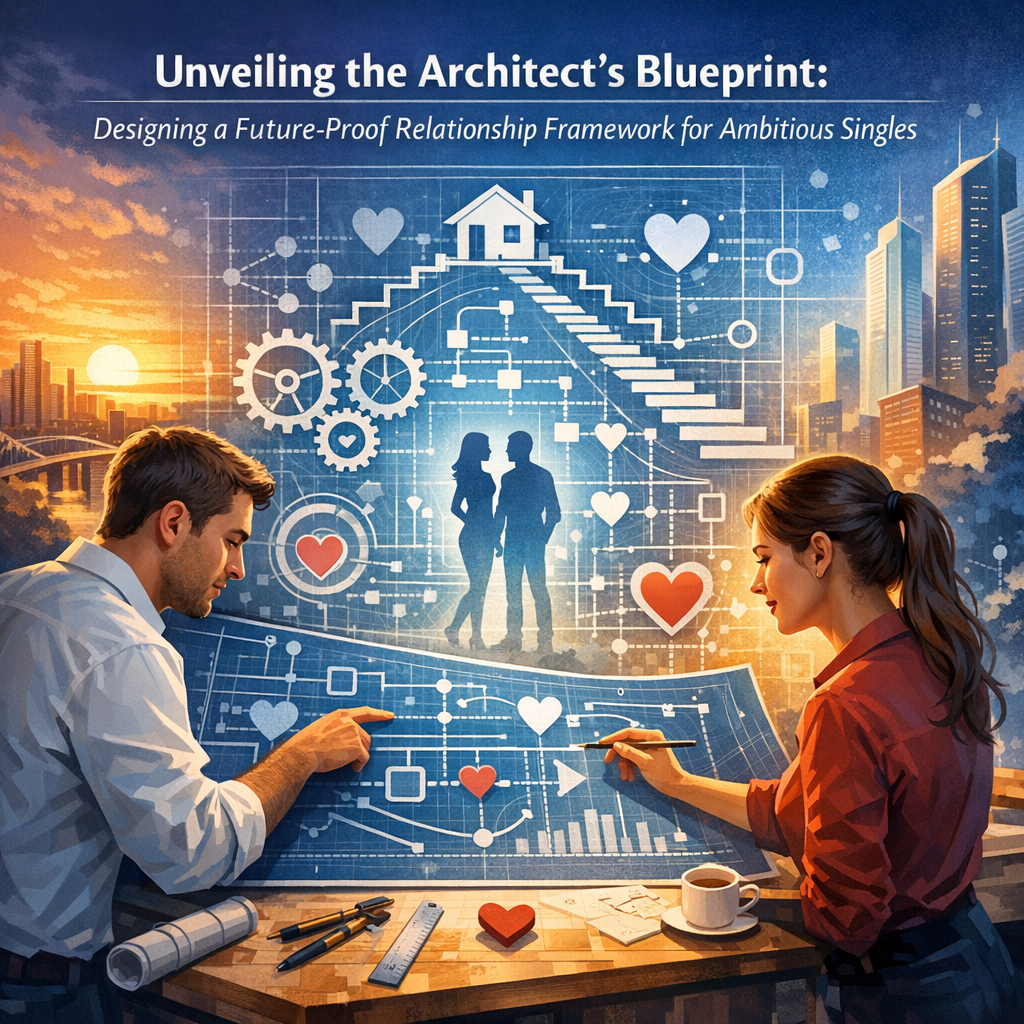
Building a relationship can be likened to designing a resilient architectural masterpiece. Just as architects meticulously plan and draft blueprints to ensure the durability and functionality of their creations, ambitious singles should adopt a thoughtful approach in constructing their romantic relationships. In an era marked by rapid technological advancements and evolving social dynamics, singles aged 18 to 80 are seeking frameworks that not only withstand the test of time but also accommodate personal growth, career aspirations, and individual well-being. This architectural analogy offers a strategic perspective on fostering relationships that are as enduring as they are fulfilling.
The contemporary dating landscape presents unique challenges and opportunities. With the proliferation of dating apps and societal shifts towards more diverse and inclusive relationship models, singles today have unprecedented access to potential partners. However, this abundance also brings complexities in navigating which connections are worth pursuing. Just as an architect considers the environment, purpose, and resources when designing a building, dating individuals must evaluate compatibility, long-term goals, and values when engaging in romantic pursuits.
Moreover, research suggests that having a clear blueprint for relationships might be beneficial. A study by [Harvard University](https://www.harvard.edu) posits that individuals who set long-term relational goals and align them with personal aspirations tend to report higher satisfaction and stability in their relationships. These findings highlight the importance of intentionality and planning in romance, especially for those balancing ambitious career plans with personal fulfillment.
For singles determined to forge a durable partnership, elements of strategic thinking, self-awareness, and adaptability are paramount. A future-proof relationship framework is built on the foundation of communication, mutual respect, and collaboration. By envisioning their relationship aspirations and actively designing a path towards them, singles can mitigate potential conflicts and foster an environment where both partners thrive independently and collectively.
Features:
Scientific inquiry into relationship building provides insights into crafting lasting unions amidst the flux of modern life. A pivotal study published in the [Journal of Marriage and Family](https://www.ncfr.org/jmf) highlights the correlation between clear communication channels and long-term relationship resilience. The research emphasizes that partners who regularly engage in open dialogues about their expectations and plans often report stronger bonds and increased trust. This communication mirrors the careful planning and stakeholder consultations that go into architectural projects, underscoring the importance of transparency in relationship design.
Another pertinent study from the [American Psychological Association](https://www.apa.org) points to the role of adaptability in sustaining relationships over time. This research demonstrates that couples who show flexibility in the face of life changes and challenges are better equipped to maintain their romantic connections. Adapting to new roles or circumstances, much like an architect re-evaluating building plans to meet a client’s evolving needs, ensures that relationships do not become stagnant but rather grow alongside the individuals involved.
In addition, a notable publication from the [University of California, Berkeley](https://greatergood.berkeley.edu) asserts that building emotional intelligence significantly enhances relationship quality. Emotional intelligence, which involves recognizing, understanding, and managing one’s emotions and those of others, contributes to empathy and effective conflict resolution. These skills are akin to an architect’s ability to foresee and resolve potential structural issues before they jeopardize a building’s integrity.
These studies collectively underscore the significance of strategically designing relationships to ensure they are future-proof. Incorporating structured communication, adaptability, and emotional intelligence into one’s relational framework can transform the dating experience from a series of haphazard encounters into a deliberate and meaningful journey.
Conclusion:
In the landscape of dating, ambitious singles stand to benefit immensely from adopting an architect’s approach to relationships. By thoughtfully designing a future-proof relational framework, individuals can build partnerships that not only endure but also enrich and elevate their lives. As with any masterpiece, the key lies in patience, vision, and the readiness to evolve with time, ensuring that love, like architecture, becomes a testament to thoughtful planning and enduring strength.
Concise Summary:
Crafting resilient relationships resembles architectural blueprinting, requiring strategic design and thoughtful planning. Singles, navigating a complex dating landscape, can benefit from a future-proof framework incorporating communication, adaptability, and emotional intelligence. Insights from Harvard University and others highlight the role of clear relational goals and structured planning in achieving lasting satisfaction. By emulating an architect’s meticulous approach, individuals can foster romantic partnerships marked by compatibility, growth, and durability, turning random encounters into meaningful journeys and elevating personal and collective well-being.