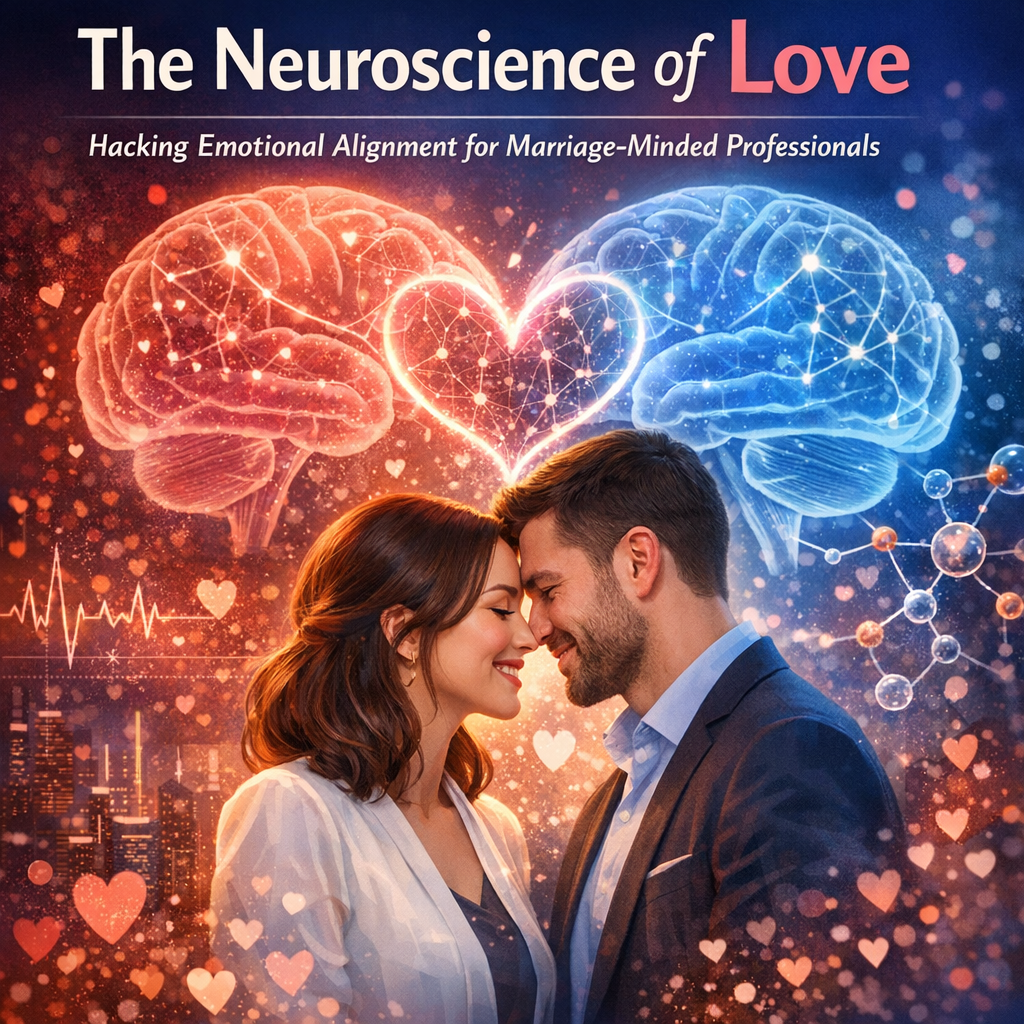
The Neuroscience of Love: Hacking Emotional Alignment for Marriage-Minded Professionals
In the realm of dating, we often hear about chemistry and compatibility as cornerstones for successful relationships. But what if we were to view love through the lens of neuroscience? As marriage-minded professionals venture into the dating world, the intersection of brain science and emotional intelligence offers a new dimension to understanding attraction and fostering meaningful connections. Diving into the neuroscience of love not only enlightens us about how our brains process love but also equips us with strategies to align emotions purposefully, paving the way for long-term relational success.
Love is frequently dismissed as an enigmatic force beyond our control. However, science suggests that love is rooted in complex neurological processes. Neuroscience explores how the brain releases chemicals like dopamine, oxytocin, and vasopressin which play integral roles in how we feel, bond, and attach. Dopamine, often referred to as the “feel-good” neurotransmitter, is largely responsible for the euphoric stage of new love, characterized by pleasure and motivation. Meanwhile, oxytocin, the so-called “love hormone,” fosters intimacy and bonding, making it essential in sustaining long-term relationships.
For marriage-minded professionals, understanding these dynamics is transformative. With demanding careers, they often strive for efficiency and effectiveness in both their personal and professional lives. By harnessing the principles of neuroscience, they can more deliberately navigate relationship dynamics. Emotional alignment, a concept referring to the synchronization of emotions and intentions between partners, becomes critical for these individuals who are often balancing high-stakes careers and personal ambitions.
Achieving Emotional Alignment
Achieving emotional alignment requires intentionality and awareness of how emotions affect decision-making and behavior. Once familiar with the biochemical mechanics of love, professionals can cultivate environments conducive to positive emotional experiences. Practices such as mindful communication, empathy exercises, and shared experiences can enhance emotional attunement, creating resonance between partners. Additionally, prioritizing emotional intelligence involves recognizing and valuing the emotional landscape within relationships, allowing partners to respond to each other’s needs more effectively, fostering a healthier dynamic.
Features
Scientific research into the neuroscience of love reveals numerous insights with profound implications for relationships. A study by Dr. Helen Fisher, a biological anthropologist, used fMRI scans to study brain activity in individuals who reported being madly in love. Fisher’s work demonstrated that romantic love triggers regions in the brain associated with reward and motivation, suggesting that love is not just an emotion but a goal-oriented brain state. Discover more about [Dr. Fisher’s research here](https://www.ted.com/speakers/helen_fisher).
Moreover, a study by Dr. Sue Johnson, a clinical psychologist known for developing Emotionally Focused Therapy (EFT), highlights the importance of emotional bonds in strengthening relationships. Johnson’s research indicates that emotionally responsive interactions activate the brain’s attachment centers, facilitating a perceived sense of safety and trust between partners. Her work underscores the value of emotional presence, suggesting that attuned responses significantly enhance relationship satisfaction. Learn more about [EFT and Dr. Johnson’s approach](https://www.psychologytoday.com/us/blog/mental-wealth/201103/what-having-connection-unique-benefit-emotionally-focused-therapy).
Furthermore, Harvard University conducted a longitudinal study known as The Grant Study that followed participants over 80 years, examining factors contributing to a fulfilling life. The findings consistently emphasized the pivotal role of healthy relationships in ensuring happiness and longevity, positioning emotional intelligence as a crucial factor in developing enduring partnerships. Explore [the Harvard Study here](https://news.harvard.edu/gazette/story/2017/04/good-genes-are-nice-but-joy-is-better/).
These studies collectively illustrate that understanding the cerebral processes of love enables professionals to cultivate romantic relationships that are not only emotionally resonant but also neurologically attuned. Applying these scientific insights can significantly improve the quality and longevity of romantic engagements.
Conclusion
For marriage-minded professionals, leveraging the neuroscience of love to achieve emotional alignment offers a powerful strategy for nurturing lasting romantic partnerships. By understanding the brain’s role in emotional processing and attachment, they can intentionally cultivate deeper connections that support both personal happiness and relationship longevity. As neuroscience continues to unravel the mysteries of love, professionals poised at the intersection of career and romance can look forward to better navigating the intricate dance of emotional alignment, ensuring fulfilling and enduring ties.
Concise Summary
Understanding the neuroscience of love offers marriage-minded professionals transformative insights into developing meaningful relationships. Recognizing how neurotransmitters like dopamine and oxytocin function allows professionals to foster emotional alignment, balancing high-stakes careers with personal ambitions. Research by experts such as Dr. Helen Fisher and Dr. Sue Johnson supports this, revealing how love impacts brain motivation and attachment, emphasizing emotional responsiveness. Additionally, the Harvard Grant Study underscores the lasting effect of healthy relationships. By leveraging these insights, professionals can cultivate emotionally and neurologically attuned partnerships, enhancing long-term relationship success.
References
– [Dr. Helen Fisher’s TED Talk on the brain in love](https://www.ted.com/speakers/helen_fisher)
– [Emotionally Focused Therapy by Dr. Sue Johnson](https://www.psychologytoday.com/us/blog/mental-wealth/201103/what-having-connection-unique-benefit-emotionally-focused-therapy)
– [Harvard’s Grant Study insights](https://news.harvard.edu/gazette/story/2017/04/good-genes-are-nice-but-joy-is-better/)